
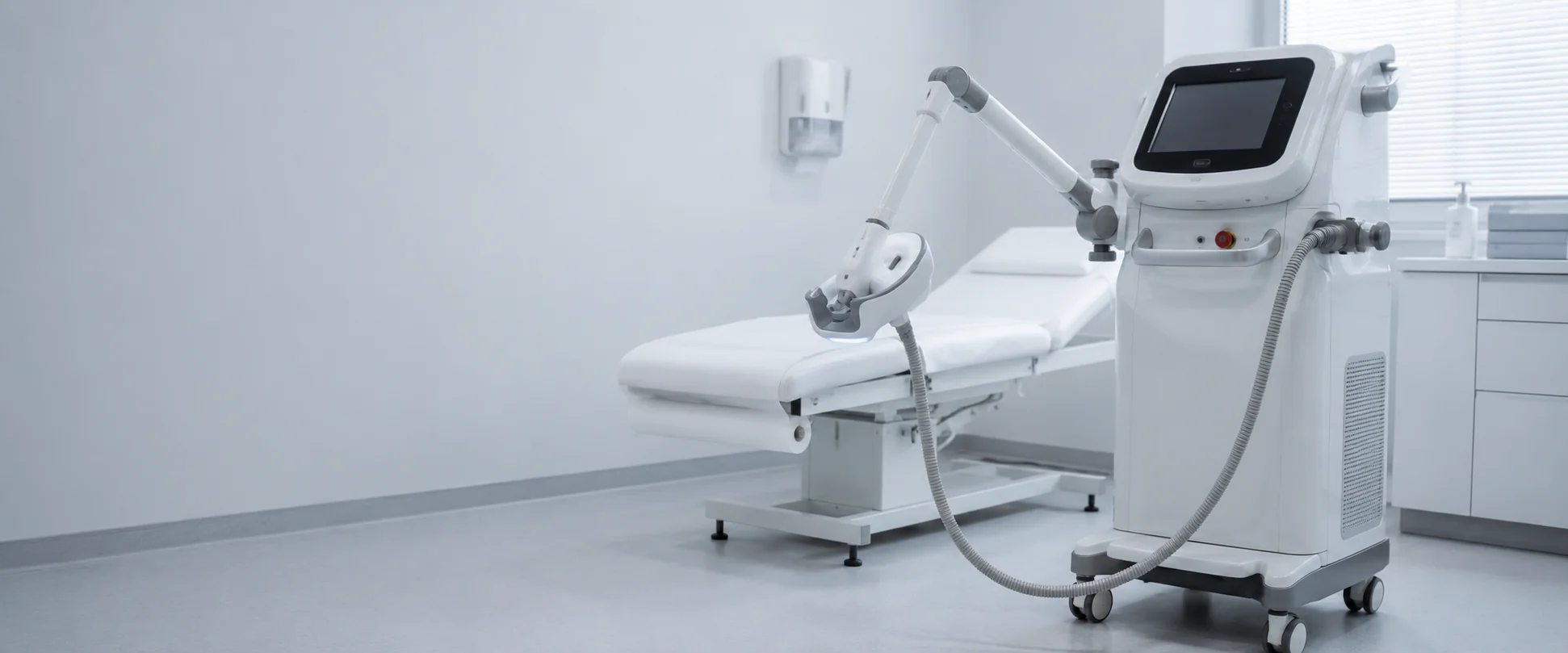
Cable assemblies for medical devices and aesthetic equipment
We supply medical device cable assemblies and aesthetic equipment cabling — assemblies and interconnect components — to the manufacturers of this equipment, coordinating configuration, documentation and manufacturer according to the requirements of each project. It is not just a matter of supplying a cable, but of keeping under control the configuration the manufacturer has defined for its equipment.
What this industry needs
Why medical device cable assemblies need a controlled configuration
In equipment that is already industrialised or validated, changing a part number can affect documentation, tests or validations already carried out. That is why, for medical device cable assemblies, the decisive factor is not usually the unit price but keeping the agreed configuration identified and being able to document exactly what was supplied.
Industry requirements
What to specify in a cable assembly for medical devices
Each project requires different criteria. We confirm them with your documentation before quoting. If the project requires specific conditions of manufacture, handling or conditioning, they are built into the manufacturer selection criteria.
Common applications
Where we are consulted about medical device cable assemblies
We work with the equipment manufacturer, not with the healthcare facility or the end user.
Equipment connection
Connectors and internal cabling of the equipment, with attention to the insulation and separation of circuits set by the design.
Applicator and accessory cables
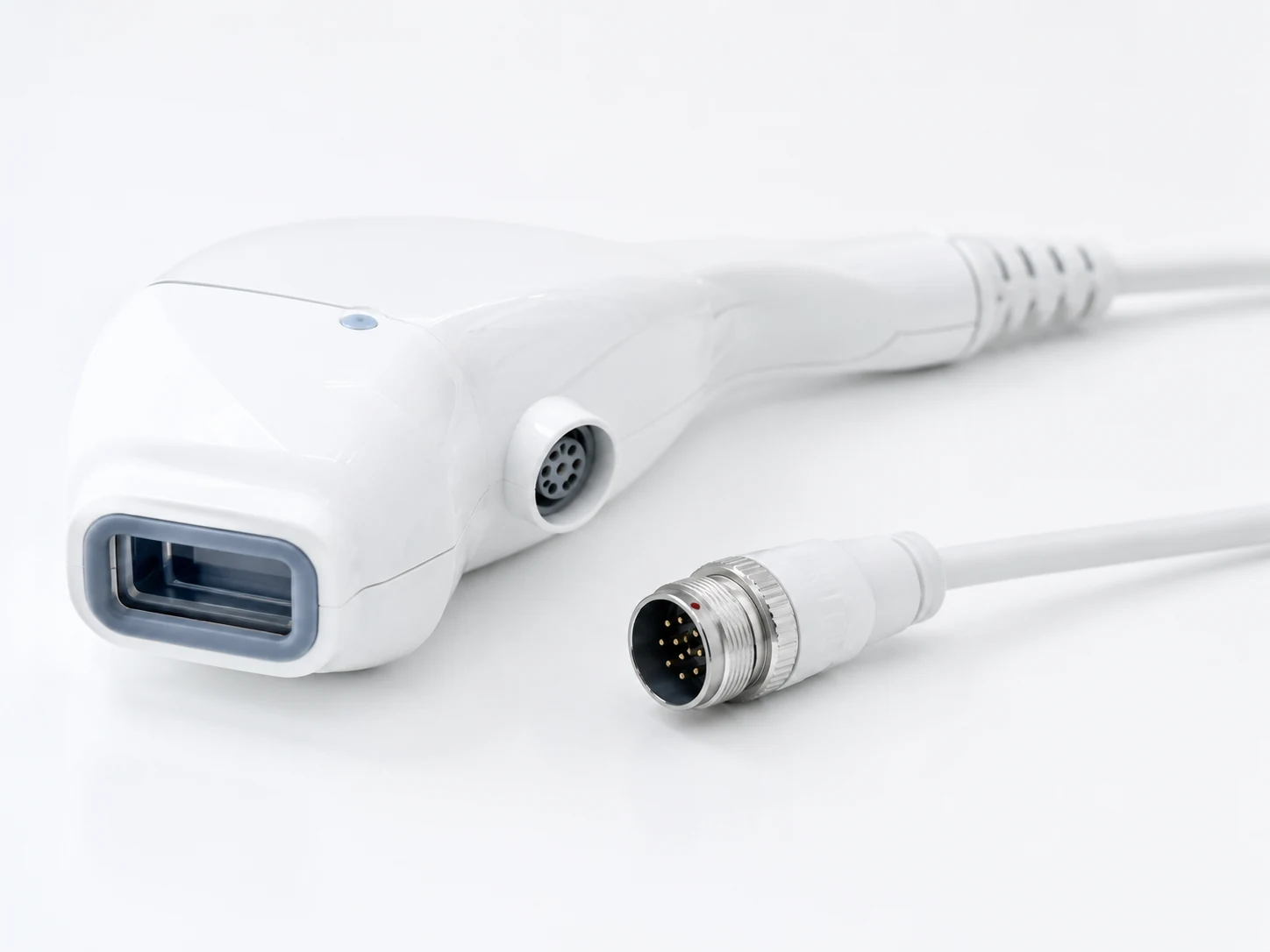
Assemblies for applicators, mobile modules or accessories defined by the equipment manufacturer, when their specification and scope are clearly established. When the assembly works with movement or repeated flexing, that condition must form part of the specification.
Modules, sensors and interfaces
Connection of modules, sensors, controls or interfaces of the equipment. If the equipment undergoes cleaning or disinfection processes defined by the manufacturer, the materials and protections of the assembly must be specified in line with those conditions.
Power and signal distribution
Power, signal or data distribution assemblies, and replacement assemblies for equipment already in the field. We coordinate the documentation that the manufacturer or supplier can provide for each delivery.
Supply life cycle
Medical device cable assemblies from initial configuration to replacement
The first supply does not close the job. In recurring series it matters to keep the agreed configuration identified, control changes and have a clear route when a part number becomes obsolete.
Initial configuration
The equipment manufacturer defines drawing, part numbers, technical requirements and required documentation. Justicia Marin coordinates the search and comparison of manufacturers able to work on that configuration.
Series and change control
The agreed configuration serves as a reference for later supplies. If a relevant modification is proposed, its differences are compared before applying it and, where appropriate, the customer validates the change.
Replacement and obsolescence
If a part number is no longer available, a potentially compatible alternative can be studied. Before substituting it, the technical and documentary differences are compared and, where appropriate, the customer validates the change.
How we work for this industry
How we handle medical device cable assemblies with the equipment manufacturer
The priority is not to introduce uncontrolled variables into an already validated product.
We define the critical part number
We identify which components cannot vary and which admit an equivalent with prior validation.
We coordinate the required documentation
We confirm what documentation the manufacturer or supplier can provide for the project: datasheets, declarations, certificates or test reports, where they apply and are available.
Validation before series
Where appropriate, the customer validates the sample or the change on the real equipment before applying it to a series supply.
Continuity of the part number
When the stability of a part number is necessary for the project, it is included as a supply requirement and checked with the selected manufacturer. Substitutions are not automatic.
Do you manufacture medical or aesthetic equipment?
Tell us which component you need to stabilise.
If you have a critical part number with lead-time or continuity problems, we study it and tell you which alternatives can be assessed. Cost, target lead time, availability and documentation are compared among manufacturers that can meet the technical requirements of the project.
What you can send us
Tell us what you need to buy
Initial commercial response with a technical contact.